Mapping Mobile Loyalty Networks Connecting Device Interfaces with Tiered Incentives and Live Feedback Systems
Written by Alex Washington · Oct 26, 2026
Mapping Mobile Loyalty Networks Connecting Device Interfaces with Tiered Incentives and Live Feedback Systems
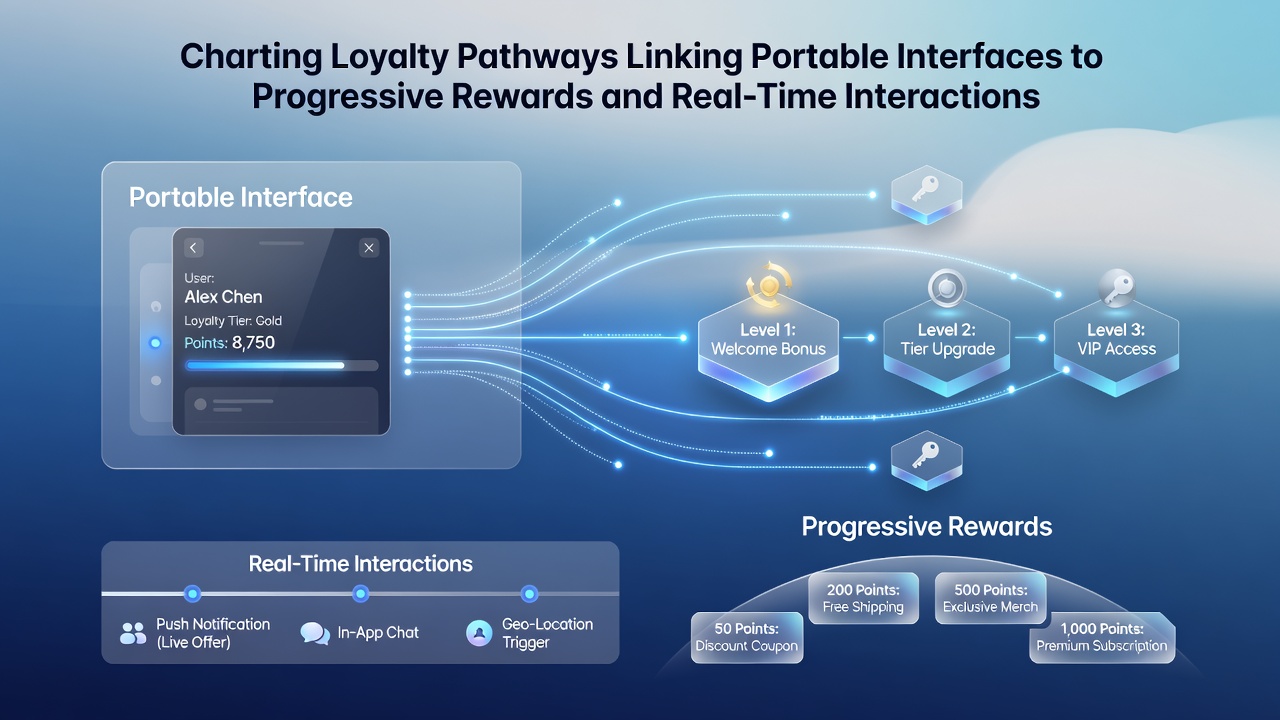
Digital platforms in the gaming sector have developed structured loyalty frameworks that tie portable device access directly to escalating benefit levels and immediate response mechanisms, and observers note these connections have grown more sophisticated since earlier models focused mainly on basic point accumulation. Research from industry analysts shows that mobile interfaces now serve as primary entry points where users track progress through reward tiers while receiving updates on eligibility for upgraded status or bonus features in real time.
Portable Interfaces as Central Hubs for Engagement Tracking
Handheld applications function as the main conduit for data exchange between players and operators, and data indicates that these interfaces capture session details, transaction histories, and activity patterns to feed into loyalty calculations without requiring separate logins or manual submissions. Experts at organizations such as the American Gaming Association highlight how seamless synchronization across devices allows continuous monitoring of play patterns, which in turn adjusts available incentives based on accumulated metrics like total wagers or frequency of participation.
Developers integrate notification systems that push alerts about nearing threshold achievements, and this approach reduces delays between actions and recognitions. Those who've examined user behavior patterns report that such immediacy correlates with sustained session lengths across multiple platforms, while regulatory bodies in regions like Nevada track compliance with data handling standards during these exchanges.
Progressive Reward Structures and Their Mechanics
Tiered systems advance users through defined levels where each stage unlocks additional privileges such as higher payout multipliers or exclusive event access, and studies from academic institutions including the University of Nevada, Las Vegas demonstrate that these graduated structures encourage longer-term retention when paired with transparent progress indicators. Operators calculate advancement using algorithms that weigh multiple variables including deposit volumes and game variety selections, yet the formulas remain adjustable to align with regional licensing requirements.
Evidence from market reports reveals that many programs now incorporate hybrid elements blending virtual currency rewards with physical merchandise options, and this diversification caters to different player preferences without altering core engagement loops. One documented rollout in October 2026 introduced automated tier resets tied to calendar quarters, allowing fresh starts while preserving historical data for personalized offers.
Real-Time Interactions Enhancing Loyalty Pathways
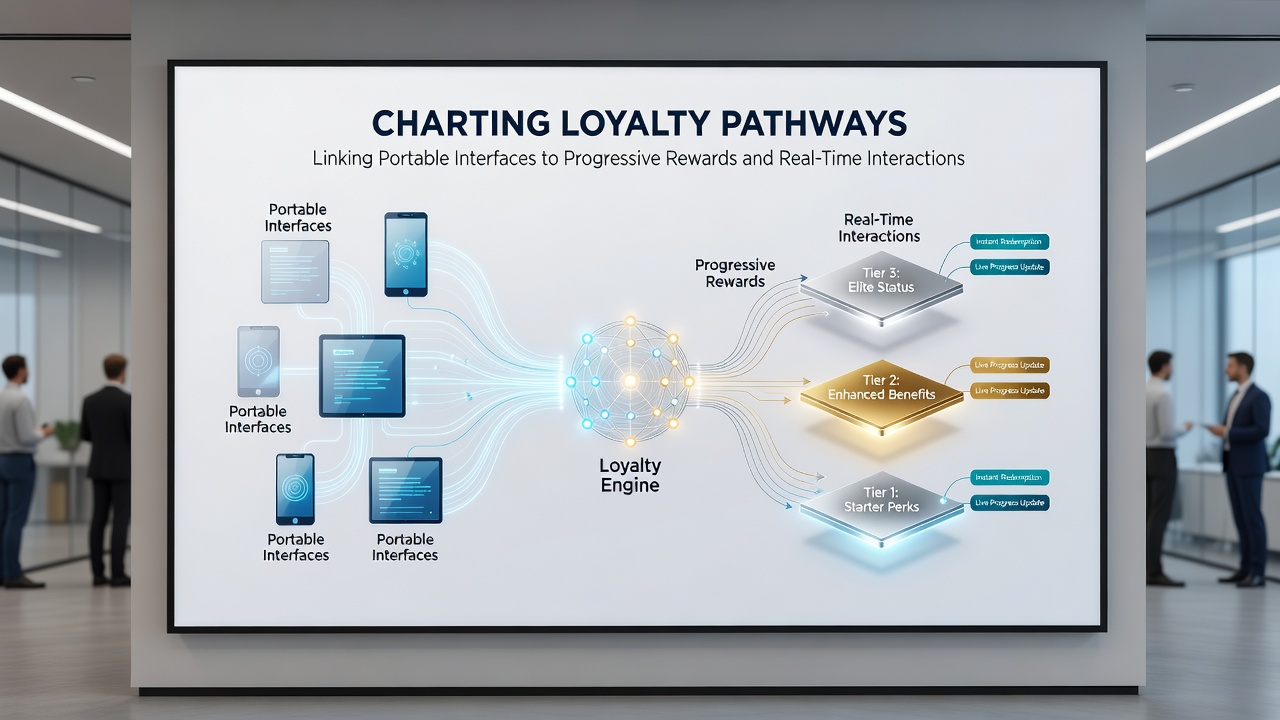
Live feedback loops operate through integrated chat functions, personalized dashboards, and automated triggers that respond to specific in-app behaviors, and figures from Canadian provincial gaming authorities indicate these features have increased average daily active users by measurable margins when implemented consistently. The connections between portable interfaces and these interactions rely on backend servers that process inputs within seconds, delivering confirmations or adjustments that keep participants informed without interrupting gameplay flow.
Case examples include programs where live dealer sessions automatically log contributions toward reward milestones, and participants receive on-screen confirmations of updated standings mid-session. Industry observers point out that such integration minimizes friction points that previously required users to switch between separate applications for tracking versus playing.
Integration Challenges and Emerging Solutions
Linking all components demands robust security protocols and cross-platform compatibility testing, and reports from the Malta Gaming Authority underscore ongoing efforts to standardize data formats that support both loyalty calculations and regulatory audits. Developers address latency issues through edge computing techniques that keep critical processes local to devices while syncing with central databases during low-activity periods.
What's interesting here is how October 2026 updates from several operators introduced API enhancements allowing third-party tools to interface directly with loyalty engines, provided they meet predefined encryption benchmarks. This development opens pathways for customized analytics without compromising core system integrity.
Conclusion
Overall patterns in loyalty design show continued emphasis on unifying mobile interfaces with dynamic reward progression and instantaneous response capabilities, and available data from multiple jurisdictions confirms these elements now form standard components within licensed operations worldwide. Future iterations will likely refine algorithmic precision while maintaining compliance across diverse regulatory landscapes.